
Blog
Hurricane Resistant Flooring in Florida: 5 Materials That Hold Up After a Storm
Living in Florida means enjoying beautiful weather, but it also means preparing for hurricane season. When a storm hits, your home’s flooring is often one of the first things to suffer damage from flooding and moisture. Choosing the right hurricane resistant flooring in Florida can make a significant difference in your home’s resilience and your recovery time.
This guide will walk you through the top 5 flooring materials that can withstand a storm, the materials you should avoid, and what to expect regarding insurance and replacement after a hurricane. If you’re looking to upgrade your home’s defenses, DRS Floors offers professional flooring installation designed for Florida’s unique climate.
Understanding the 48-Hour Rule for Hurricane Resistant Flooring in Florida
When floodwaters enter your home during a hurricane, the clock starts ticking. Most flooring materials begin to show significant, irreversible damage within 48 hours. This “48-hour rule” is critical for understanding why some materials are better suited for hurricane-prone areas than others.
- Carpet: Acts like a sponge, absorbing water and holding it against the subfloor. Mold and mildew can begin to grow within 24-48 hours, making it nearly impossible to salvage.
- Laminate: The fiberboard core of laminate flooring swells and delaminates when exposed to water, leading to buckling and irreparable damage.
- Solid Hardwood: While beautiful, solid hardwood is highly susceptible to water damage. It will absorb moisture, leading to cupping, crowning, warping, and often requires complete replacement.
- Engineered Hardwood (Standard): Standard engineered hardwood, while more stable than solid wood, can still delaminate and warp if its core is not water-resistant or if installed with non-waterproof adhesives.
The key takeaway is that for a floor to be truly hurricane-resistant, it must either repel water, be impervious to moisture, or be designed to dry out and return to its original state without permanent damage.
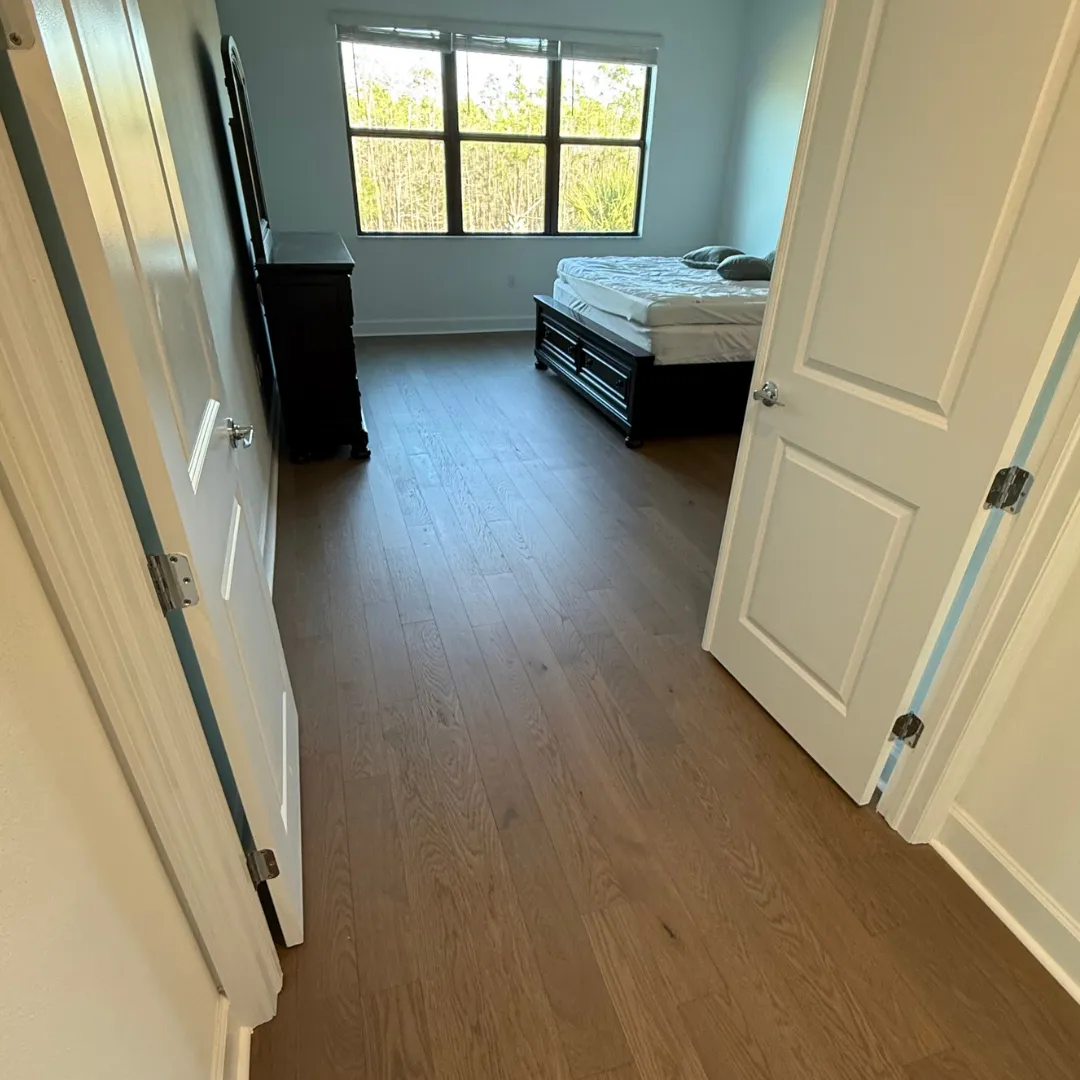
Top 5 Hurricane-Resistant Flooring Materials for Florida Homes
Based on their performance against water, impact, and ease of cleaning, these five materials stand out as the best choices for hurricane-resistant flooring in Florida.
1. Porcelain Tile
Porcelain tile is a champion against water. It’s incredibly dense and has a very low water absorption rate, making it virtually waterproof. It’s also highly durable, resistant to scratches, and easy to clean, which is a huge advantage during post-storm clean-up.
- Water Resistance: Near zero water absorption.
- Durability: Extremely hard and long-lasting.
- Maintenance: Easy to clean and sanitize after flood exposure.
- Considerations: Grout lines, though water-resistant, can harbor mold if not properly cleaned. Use epoxy grout for maximum protection.
2. Polished Concrete
If you’re looking for ultimate resilience, polished concrete is hard to beat. It’s the subfloor itself, sealed and polished to create a beautiful, durable, and completely waterproof surface. It’s impervious to water, mold, and mildew.
- Water Resistance: 100% waterproof when properly sealed.
- Durability: Extremely tough, can last a lifetime.
- Maintenance: Very easy to clean, no worries about mold or warping.
- Considerations: Can be cold and hard underfoot; requires professional installation for best results.
3. Epoxy-Coated Floors
Often seen in garages and commercial spaces, epoxy flooring is gaining popularity in residential interiors for its seamless, non-porous, and waterproof qualities. It creates a protective barrier over concrete, preventing water from penetrating.
- Water Resistance: Creates a waterproof seal over the subfloor.
- Durability: Highly resistant to abrasions, chemicals, and impacts.
- Maintenance: Very easy to clean, prevents mold growth.
- Considerations: Requires professional application; can be slippery when wet without anti-slip additives.
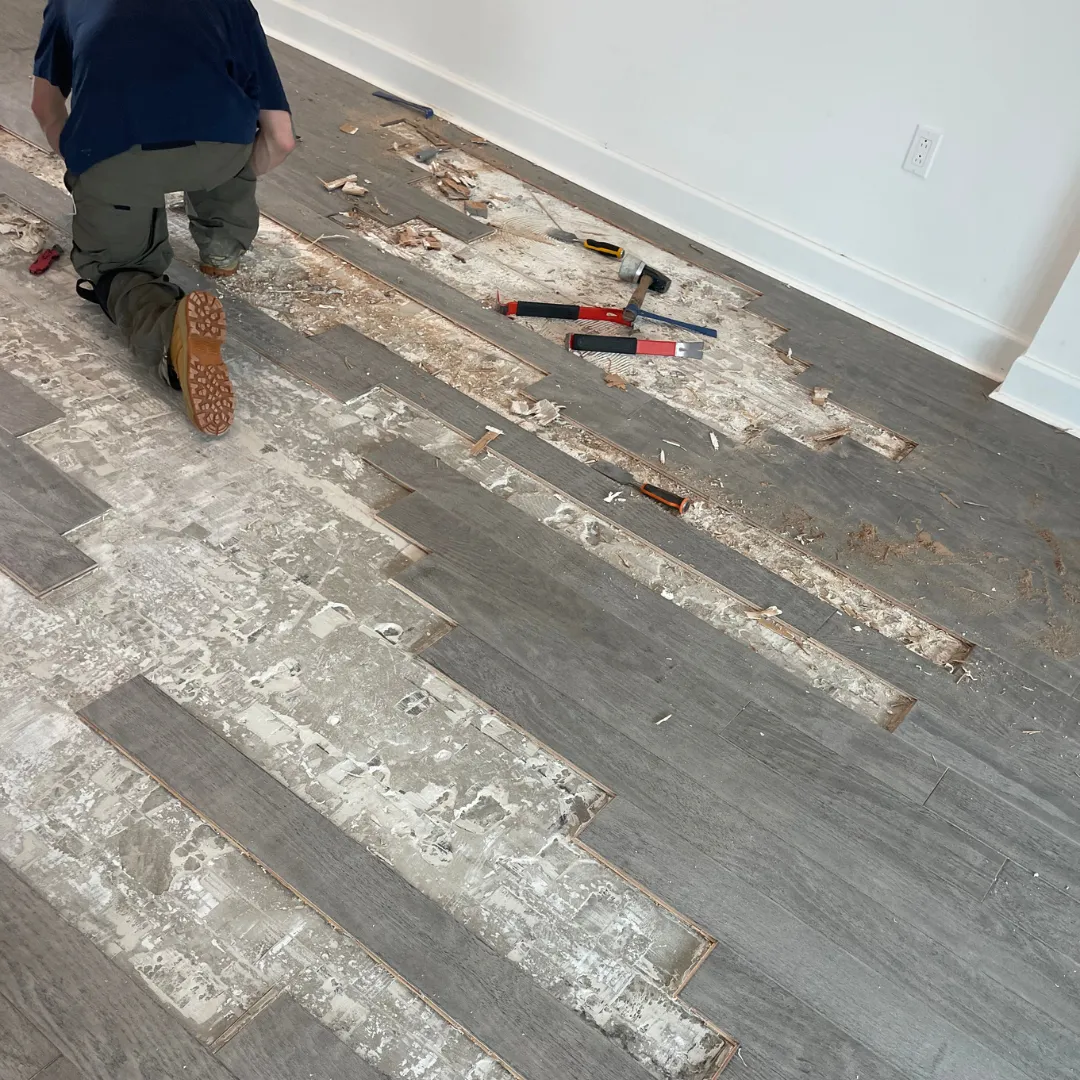
4. Luxury Vinyl Plank (LVP) with WPC Core
While not all LVP is created equal, options with a Wood Plastic Composite (WPC) core offer superior water resistance. These planks are designed to be 100% waterproof, making them ideal for areas prone to moisture. They mimic the look of wood or tile but without the water damage concerns.
- Water Resistance: WPC core is 100% waterproof.
- Durability: Resists scratches, dents, and heavy foot traffic.
- Maintenance: Easy to clean and maintain, doesn’t promote mold growth.
- Considerations: Quality varies by manufacturer; ensure you choose a reputable brand with a WPC or SPC (Stone Plastic Composite) core.
5. Engineered Hardwood with Marine-Grade Adhesive
For those who truly love the look of wood, engineered hardwood can be a viable option if installed correctly. The key is using a marine-grade, waterproof adhesive that creates a strong bond and seals out moisture from below. The top layer of real wood can still be affected by standing water, but the waterproof adhesive significantly mitigates subfloor damage and makes the floor more resilient.
- Water Resistance: Improved significantly with marine-grade adhesive.
- Durability: More stable than solid hardwood, less prone to warping.
- Maintenance: Requires quick clean-up of standing water, but can often dry out without permanent damage if adhesives hold.
- Considerations: Not entirely waterproof like tile or epoxy; requires professional installation with specific adhesives.
*Pricing varies based on project scope, materials selected, and site conditions. Contact us for a personalized estimate.
Flooring Materials to Avoid in Hurricane-Prone Florida
While some flooring types are appealing for their aesthetics or lower initial cost, they are simply not suitable for Florida’s hurricane environment due to their susceptibility to water damage and mold.
- Carpet: As mentioned, carpet absorbs water readily and becomes a breeding ground for mold and bacteria, requiring immediate removal and replacement after flooding.
- Laminate Flooring: Its particleboard or fiberboard core quickly swells and disintegrates when exposed to water, leading to irreversible damage.
- Solid Hardwood Flooring: Despite its beauty, solid hardwood will warp, cup, and often rot when submerged in water, making it one of the least hurricane-resistant options.
Choosing these materials means almost certain replacement after any significant flood event, adding considerable stress and expense to post-storm recovery.
The Insurance Angle: What Florida Homeowners Can Expect
Navigating insurance claims after a hurricane can be complex, especially concerning flooring. Most standard homeowner’s insurance policies in Florida do not cover flood damage, which typically falls under a separate flood insurance policy (e.g., through FEMA’s National Flood Insurance Program).
- Flood Insurance: Essential for covering damage from rising water (storm surge, overflowing rivers). This typically covers the cost to repair or replace your flooring up to policy limits.
- Homeowner’s Insurance: Generally covers wind damage, including rain entering through a damaged roof or window. If a tree falls on your roof, and rain comes in and damages your floor, your homeowner’s policy might cover it.
- Documentation: Always document your existing flooring with photos and videos before hurricane season. After a storm, take clear photos of all damage before any clean-up begins.
Understanding your policies and what they cover (or don’t cover) is crucial for a smoother recovery. Always contact your insurance provider as soon as safely possible after a storm. For more information, consult the FEMA Flood Damage Guide.
*Pricing varies based on project scope, materials selected, and site conditions. Contact us for a personalized estimate.
Post-Hurricane Flooring Replacement Timeline in Florida
After a major hurricane, especially in areas like Cape Coral and Fort Myers that have experienced severe flooding, the demand for flooring contractors skyrockets. This can significantly impact the timeline for repairs and replacement.
- Immediate Steps: Once it’s safe, remove all damaged materials quickly to prevent mold growth. This includes wet carpet, padding, and any water-damaged subfloor.
- Drying Out: Your home must be thoroughly dried and dehumidified before new flooring can be installed. This process can take weeks, often requiring professional drying services.
- Contractor Availability: Expect delays. Quality, licensed contractors will be in high demand. It’s wise to start reaching out as soon as you can, even if your home isn’t fully dry.
- Material Availability: Supply chains can be disrupted, leading to longer wait times for specific flooring materials. Being flexible with your choices can help speed up the process.
Having a plan and understanding the potential delays can help manage expectations during a stressful time.
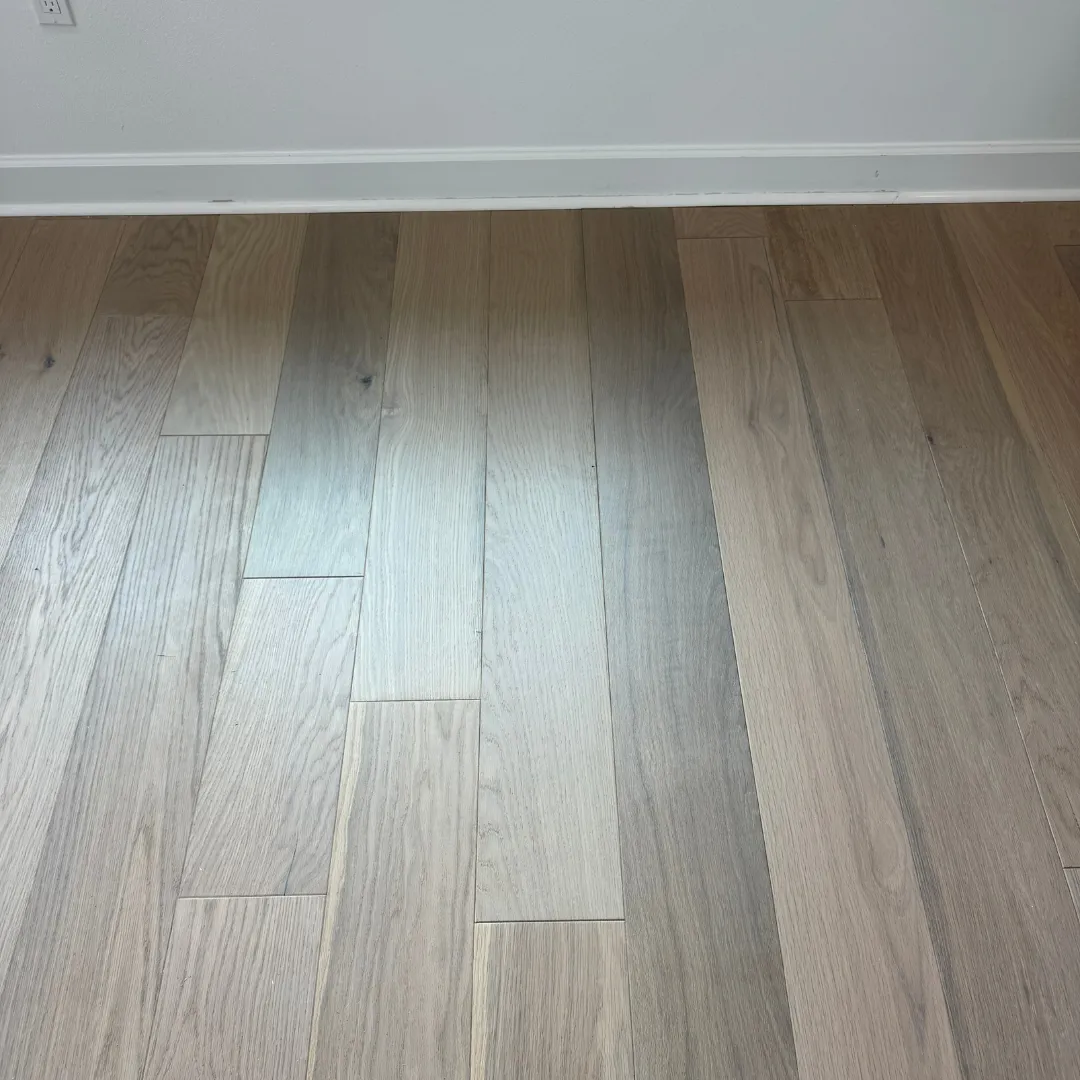
Preventive Measure: Elevating Baseboards
Beyond choosing the right hurricane resistant flooring in Florida, a simple preventive measure can offer an extra layer of protection: elevating your baseboards. During installation, instead of installing baseboards flush with the floor, a small gap (e.g., 1/2 inch) can be left between the bottom of the baseboard and the finished floor. This gap is then sealed with caulk.
- How it Helps: This creates a barrier that prevents minor floodwaters from wicking up into the drywall behind the baseboard, which is a common source of mold after flooding.
- Aesthetic Impact: The gap is typically covered by quarter-round or shoe molding, so the finished look remains clean and traditional. Our team specializes in professional baseboard and trim installation, ensuring a perfect finish.
While it won’t stop major flooding, this small detail can significantly reduce damage and mold remediation costs from smaller water intrusions.
FAQ: Hurricane Resistant Flooring in Florida
Common questions about choosing and maintaining flooring in Florida’s hurricane season.
Can I reuse flooring after a Category 4 storm in Florida?
It depends heavily on the flooring material and the extent of water exposure. Carpet, laminate, and solid hardwood are almost always unsalvageable after significant flooding. Porcelain tile, polished concrete, and epoxy floors can often be cleaned and reused if the subfloor is also intact and thoroughly dried.
Does epoxy flooring resist hurricane wind damage?
Epoxy flooring itself is not directly impacted by wind in the same way a roof or walls are. However, its seamless and durable nature means it won’t lift or tear due to high winds entering a damaged structure, unlike some lighter flooring materials. Its primary benefit is water resistance.
Is waterproof laminate a good option for hurricane-prone areas?
While “waterproof” laminate products exist, they typically refer to resistance to spills and surface moisture, not prolonged submersion in floodwaters. The core of most laminate flooring is still wood-based, making it vulnerable to swelling and damage from extensive flooding. For true hurricane resistance, WPC or SPC luxury vinyl plank is a better choice.
How can I protect my floors during a hurricane if I can’t replace them?
If you can’t replace your flooring, the best protection is to elevate furniture, remove valuables, and seal any entry points for water as best as possible. After the storm, remove any wet materials immediately, dry out your home thoroughly, and use dehumidifiers and fans to prevent mold growth.
Do I need a licensed contractor for hurricane flooring replacement?
Yes, especially in Florida. A licensed and insured flooring contractor ensures the work meets local building codes and standards, which is crucial for safety and for potential insurance claims. They also have the experience with materials best suited for Florida’s climate.
What is the average cost to replace flooring after a hurricane in Florida?
The cost to replace flooring after a hurricane can vary widely, from $3* to $15+* per square foot, depending on the material chosen, the extent of subfloor damage, and labor costs. High demand after a storm can also influence pricing. It’s essential to get a personalized estimate from a reputable contractor.
*Pricing varies based on project scope, materials selected, and site conditions. Contact us for a personalized estimate.
Explore Our Flooring Services
- Flooring Installation Services
- Epoxy Flooring Solutions
- Baseboard & Trim Installation
- Flooring Contractor in Punta Gorda, FL
Ready to Upgrade to Hurricane Resistant Flooring in Florida?
Choosing the right hurricane resistant flooring in Florida is a critical investment in your home’s long-term resilience. Whether you’re in Bonita Springs, Fort Myers, Naples, Sarasota, or Cape Coral, our team of licensed and insured flooring experts at DRS Floors is here to help you select and install the best materials to protect your home.
Prefer to dial directly? +1 (855) 686-6174